Have you ever tried to enter an Etsy store, only to be met with an unexpected screen asking you to confirm some details or log in to see the content? If so, you’re not alone. Etsy, known for its personalized and handmade products, occasionally adds an extra step before letting you access certain stores or listings. While it may feel slightly inconvenient, there’s a meaningful reason behind this small barrier.
TLDR (Too long, didn’t read)
The extra step to enter some Etsy stores is primarily for security, privacy, and user personalization. Etsy wants to ensure that content shown is appropriate for users based on their location, age, and preferences. Additionally, sellers can choose to restrict access to their shops due to product sensitivity or exclusivity. While this step may feel like a hurdle, it serves to create a safer and more curated shopping experience.
Understanding Etsy’s Structure
Etsy functions as a marketplace for independent sellers who offer everything from vintage finds to personalized crafts. Unlike retail giants, Etsy doesn’t operate warehouses or fulfill orders. Instead, it plays the role of facilitator, connecting buyers with sellers. Given this structure:
- Sellers have significant control over how their store appears and operates.
- Listings can be customized, restricted, and even hidden based on various settings.
- Etsy provides tools for sellers to protect their intellectual property and customer base.
Why Is There an Extra Step?
The extra step to access an Etsy store is not arbitrary. It revolves around several core reasons:
1. Age-Restricted Content
Some Etsy stores sell items that fall under age-restricted categories, such as adult-themed goods or products with explicit language. In order to comply with local and international regulations, Etsy occasionally ensures that users are over a certain age before accessing this kind of content.
For example, if a shop lists adult novelty items or edgy artwork, Etsy prompts visitors to confirm their age or log in to verify they meet the appropriate age threshold.
2. Location-Based Restrictions
Sellers can choose to restrict their products based on certain locations. Due to shipping limitations, cultural sensitivities, or trade laws, some items may not be available in specific countries or regions.
When someone attempts to view a store or an item that isn’t available in their country, Etsy requires an additional step to determine where the user is located, guiding them accordingly.
3. Privacy Settings and Shop Status
Not all Etsy shops are open to the general public at all times. A seller may temporarily pause their store, work on updates, or limit access to previous customers and followers only. In such cases, Etsy displays an interstitial screen to communicate the store’s status and prompt certain actions like logging in or following the shop.
4. Personalized Shopping Experiences
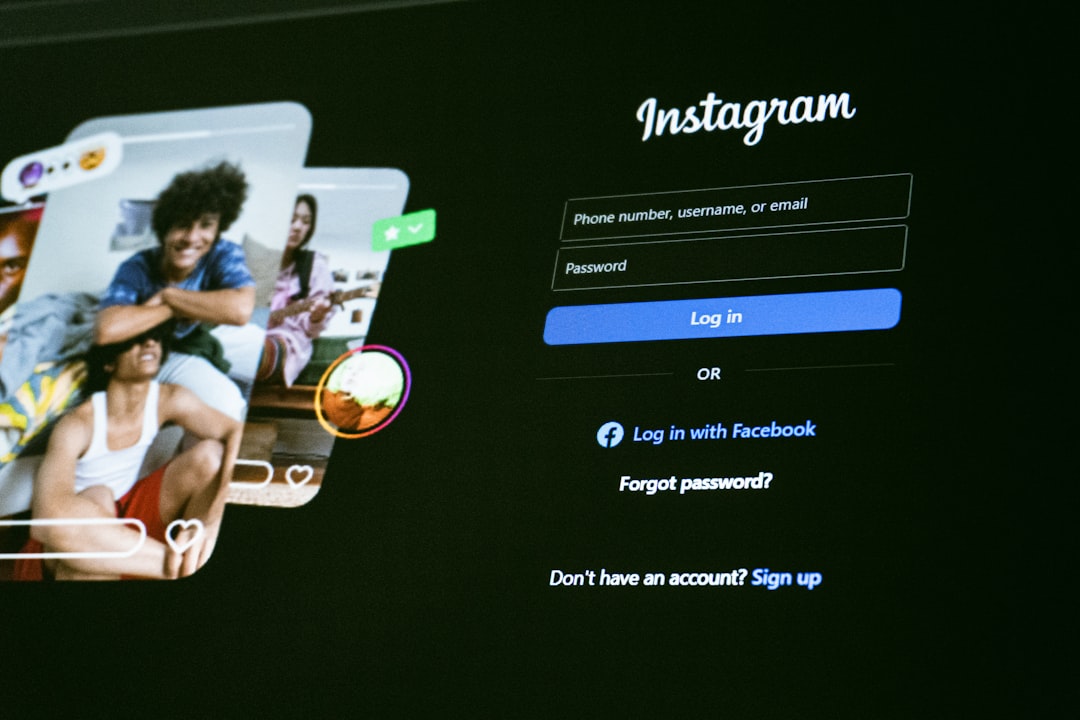
Etsy thrives on customization—not just in products, but in the shopping experience itself. In order to deliver recommendations, curated suggestions, and language-localized content, Etsy encourages logins and profile-based access.
This motivation sometimes manifests as a screen asking the user to sign in or confirm preferences before accessing a store. While technically optional, these steps enhance the user’s interaction with the platform.
5. Avoiding Inappropriate Exposure
Since Etsy is home to a wide range of products, including handmade crafts intended for adults, metaphysical items, or symbolic designs, there’s always a risk of unintentionally presenting sensitive material to users who might find it objectionable.
To circumvent this, Etsy interposes a gateway that introduces a subtle friction—just enough time for a user to decide whether to proceed, and route inappropriate audiences away.
Seller-Level Customization
Not everything is dictated by Etsy’s platform autonomy. Sellers themselves have control over access to their stores. Here are a few tools Etsy provides to shop owners:
- Password protection or private listings for items only intended for specific customers.
- Region-specific product visibility to target buyers in particular countries or states.
- Store vacation mode to limit or restrict views while they’re away from their shops.
When any of these settings are toggled on, a customer might be met with an extra step instead of being granted immediate entry into the shop.
Does It Affect Buyers?
From a buyer’s perspective, this might feel like a hiccup in their shopping journey. However, most users find that the extra step is easy to navigate and fairly straightforward. Here’s what buyers generally experience:
- A prompt asking them to confirm their age or location.
- A screen explaining the store is paused or temporarily unavailable.
- A nudge to sign in to Etsy for a complete browsing experience.
These steps usually don’t require more than a few seconds to get through. The extra layer also helps ensure trust and transparency between buyers and sellers, especially when sensitive items are involved.
How to Avoid the Extra Step?
If you’d like to skip the interstitial prompts as a regular shopper, here are a few things you can do:
- Stay Logged In: Etsy remembers logged-in users and minimizes barriers for returning customers.
- Adjust Content Preferences: In your Etsy account settings, indicate the types of content you wish to view and from where.
- Follow Shops: Following favorite shops allows easier access and notification when items are re-stocked or available.
While not all extra steps can be bypassed, these strategies help reduce friction during your shopping experience.
Why Sellers Appreciate the Extra Step
Though customers might be mildly inconvenienced, sellers often appreciate these additional access layers. Here’s why:
- Protection of intellectual property: Sensitive or copied designs can be kept private.
- Create exclusivity: Making a shop harder to access can build a feeling of specialness or uniqueness.
- Manage customer expectations: If a seller is away or delayed, temporary access restrictions help prevent unsatisfactory experiences.
Sellers in niches involving adult content, niche subcultures, or controversial themes often use access controls as an essential part of their business strategy.
The Future of Etsy Store Access
As the platform continues to grow, it’s likely Etsy will continue refining its access flows. Future steps may include:
- More seamless login options with third-party platforms.
- AI-assisted screening for sensitive content.
- Increased transparency via notifications when shops are restricted.
Etsy’s goal is to strike a balance—ensuring safety and privacy while preserving the charm and originality that make it a standout platform.
Conclusion
The extra step required to access some Etsy stores is not an unnecessary barrier, but rather a thoughtful system of checks and customization. It protects users, respects regional standards, and empowers sellers. By understanding the reasons for these occasional prompts, shoppers can better appreciate Etsy’s commitment to a safe, diverse, and user-centric experience.
So next time you encounter a brief detour while browsing an Etsy store, know that it’s there with purpose—to make your experience richer and more secure.